|
Textbooks |
|
|
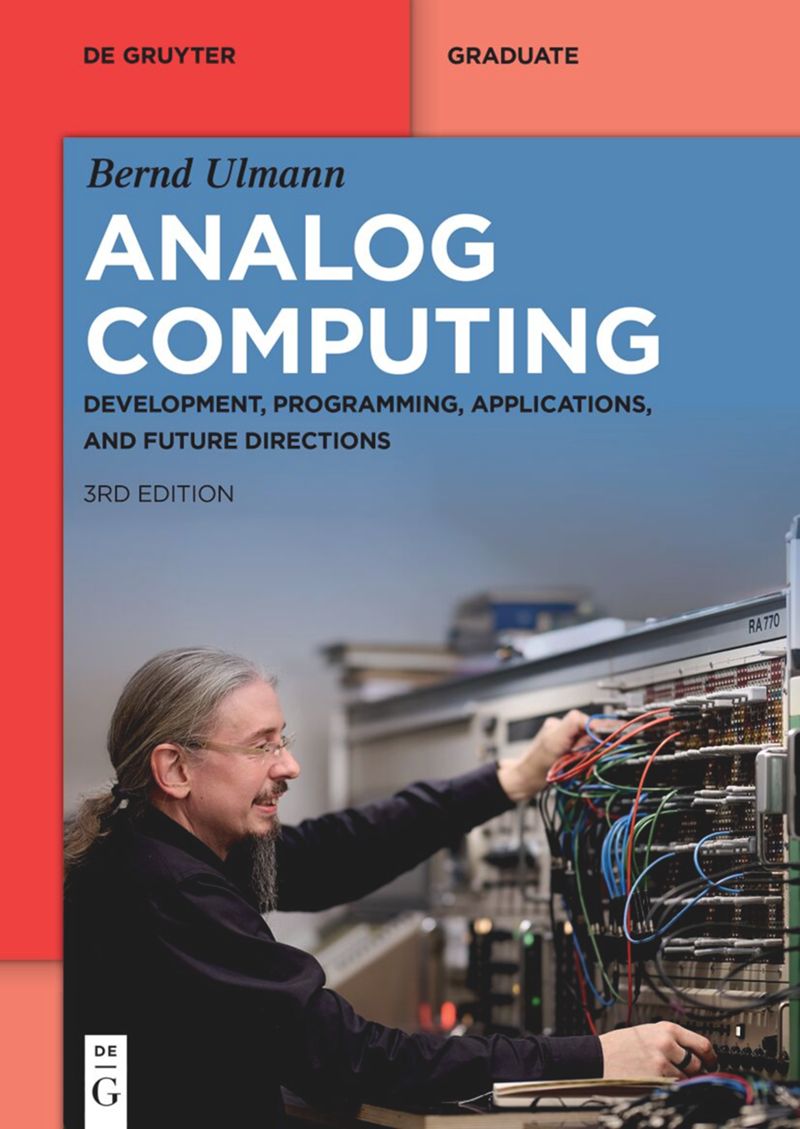
(Third and current edition! This supersedes the second and first editions!) Analog and hybrid computing are two central pillars in the field of unconventional computing. Almost forgotten for decades, interest in these technologies is rapidly rising as they offer a viable path to high-speed and highly energy-efficient computing for the 21st century for a variety of applications ranging from high performance computing, edge computing, medical applications, etc., to artificial intelligence. Their high speed and high energy efficiency are of utmost importance in a time where vast amounts of electric energy are consumed by classic digital computers especially in the ever growing field of artificial intelligence and large language models. The book "Analog Computing" has established itself over the past decade as the standard textbook on the subject as refl ected in this third edition, which has been substantially extended over the previous editions. The bibliography alone has been expanded to well over 1000 entries making it a resource in itself for research and learning. The book covers the history of analog computers from the Antikythera mechanism to recent developments of reconfi gurable systems. It also includes a wide variety of worked examples showing basic programming techniques for analog computers. In addition to this, reconfigurable analog and hybrid computers as well as digital differential analyzers are also discussed in detail. A large portion is devoted to the discussion of classic and current analog and hybrid computer applications. The last chapter gives an outlook into the highly promising future of these fascinating machines. |
|
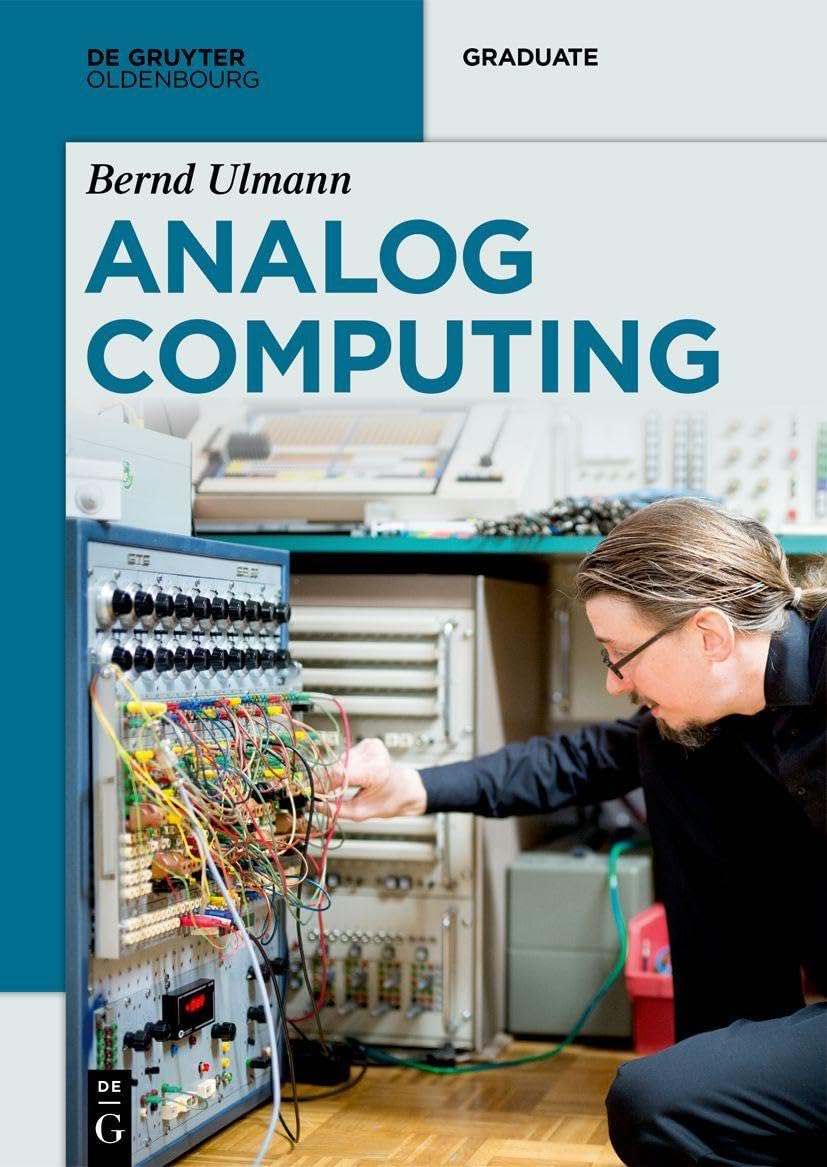
This was the second edition of "Analog Computing" - it extended the first edition by a large number of topics, a much extended literature base and many additional examples. This has since been superseded by the (current) third edition (top of page). |
|
Since the German edition of "Analogrechner..." (below) was met with quite some enthusiasm, I was asked to prepare an English edition of which this was the first. This has long since been superseded by the current third edition (top of page). |
|
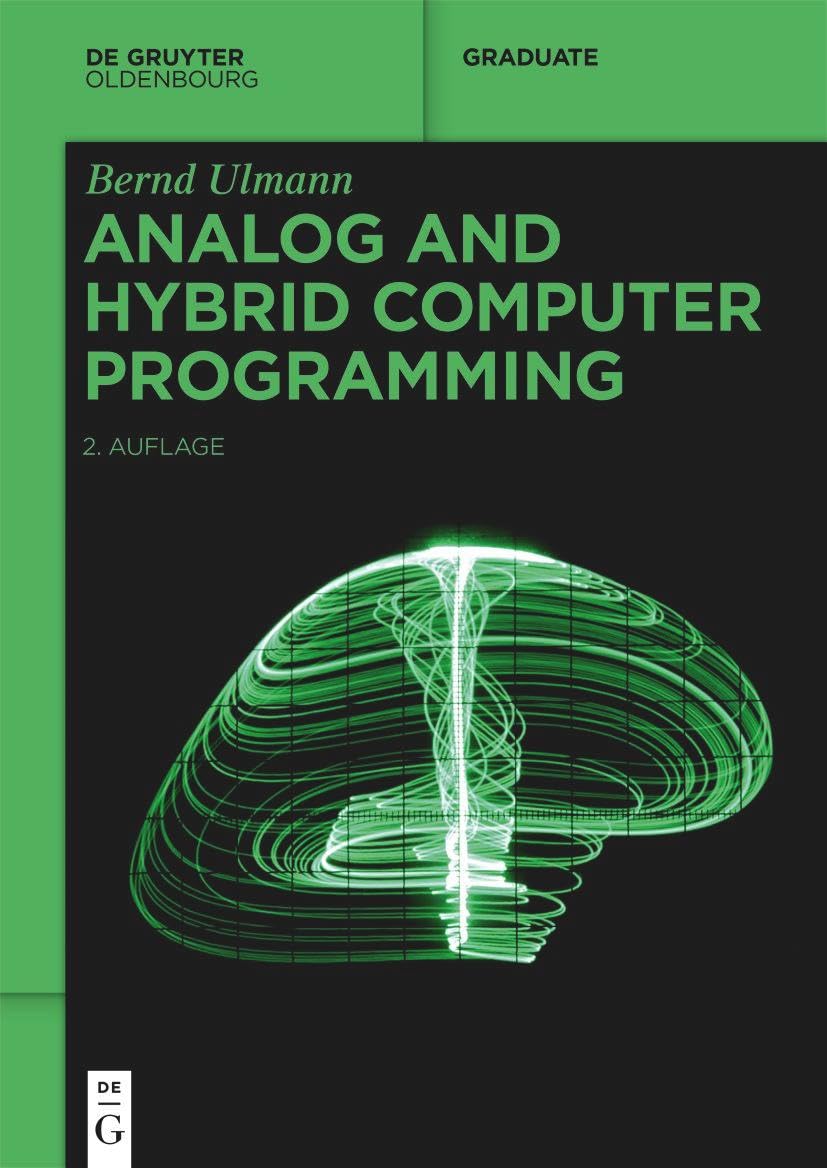
This is the second, extended edition of "Analog and Hybrid Computer Programming". It contains a wealth of additional material, compared to first edition. Thus, it supersedes the first edition below. |
|
Analog and hybrid computing recently have gained much interest as analog computers can outperform classical stored-program digital computers in some areas by orders of magnitude. This book gives a thorough introduction to analog and hybrid computer programming by means numerous worked examples from various areas. It is based on a number of introductory and advanced lectures on this topic delivered by the author at several universities. This is the first edition of "Analog and Hybrid Computer Programming" which has been since superseeded by the second edition (see directly above). |
|
This was my first attempt on writing a book about analog computer programming. Since I did not expect much interest in this topic initially, it was just a little selfpublished booklet. Eventually it became the foundation of "Analog and Hybrid Computer Programming", published by DeGruyter, which is now available in its second edition. |
|
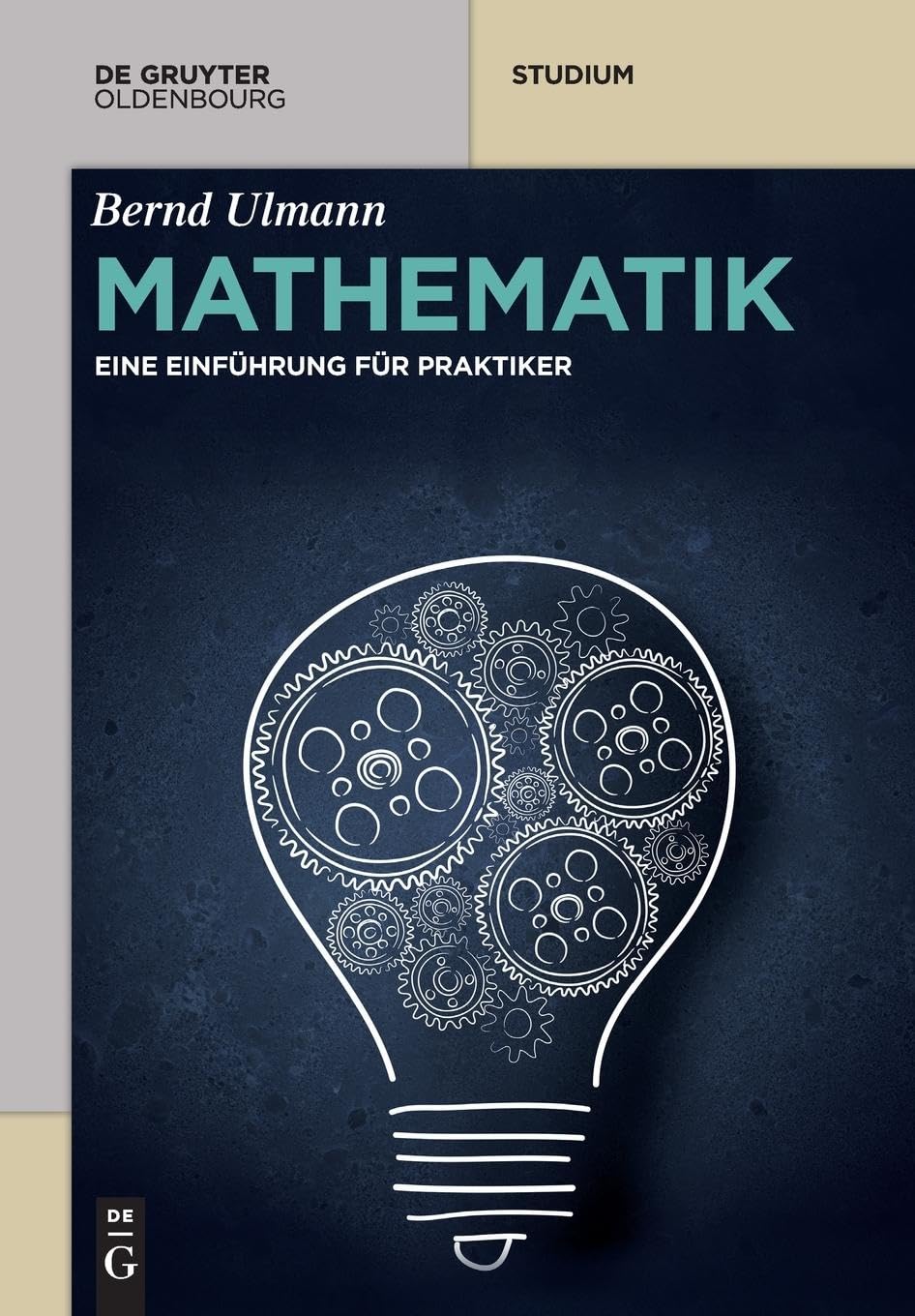
I love mathematics (and electronics, and computers, and mainly analog computers but that's going too far here...) and I also love teaching mathematics. Over the years I realized that a more hands-on-approach to teaching mathematics is not just fun but also something my students appreciate. Thus, I wrote an introduction to mathematics (in German) which has been published by DeGruyter. |
|
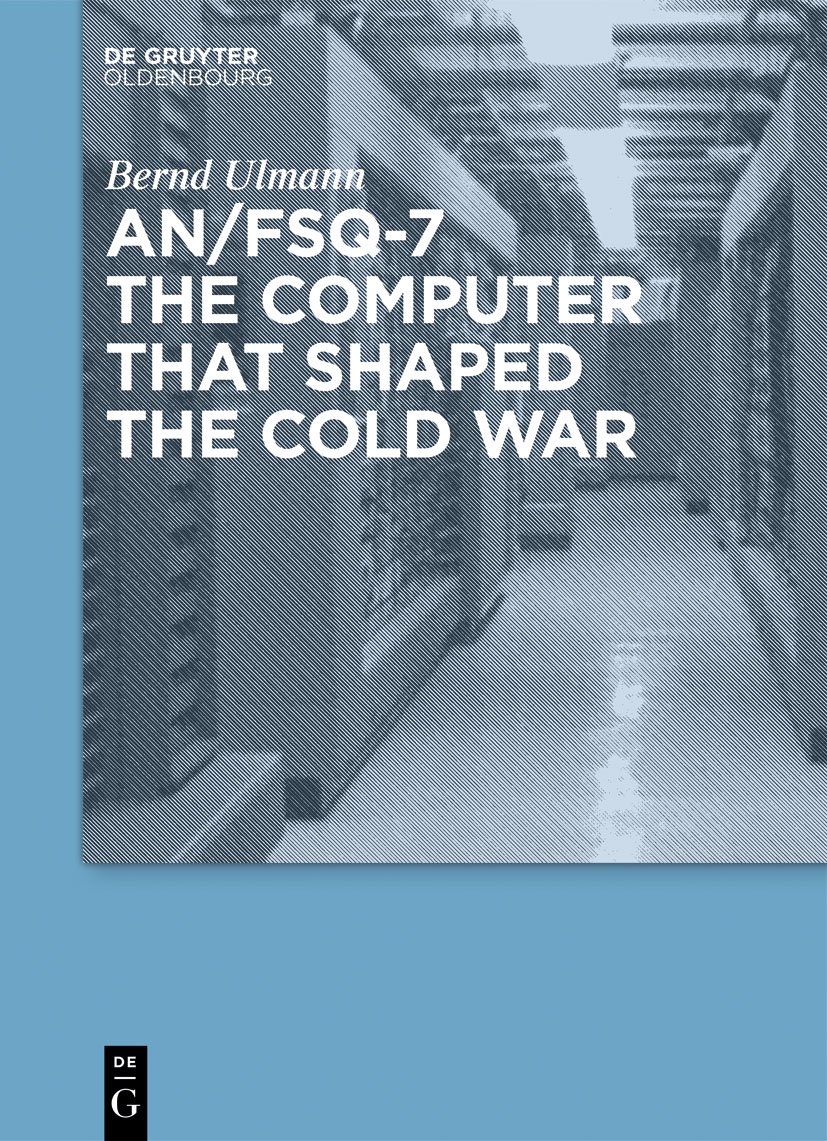
AN/FSQ-7 is one of the most fascinating digital computers. It was the heart of the United States' SAGE system, the Semi-Automatic-Ground-System which has been largely forgotten despite the fact that we owe much if not most of our current hardware and software technologies to this incredible machine. My fascination with this system and its predecessor Whirlwind led to this book. |
|
I always loved reverse polish notation as used in Forth but also the core ideas of APL despite its cumbersome notation. Eventually these two interests resulted in a Perl based interpreter for a stack oriented array language I called Lang5. This little booklet is long out of print so that you can download it here (click on the cover picture). |
|
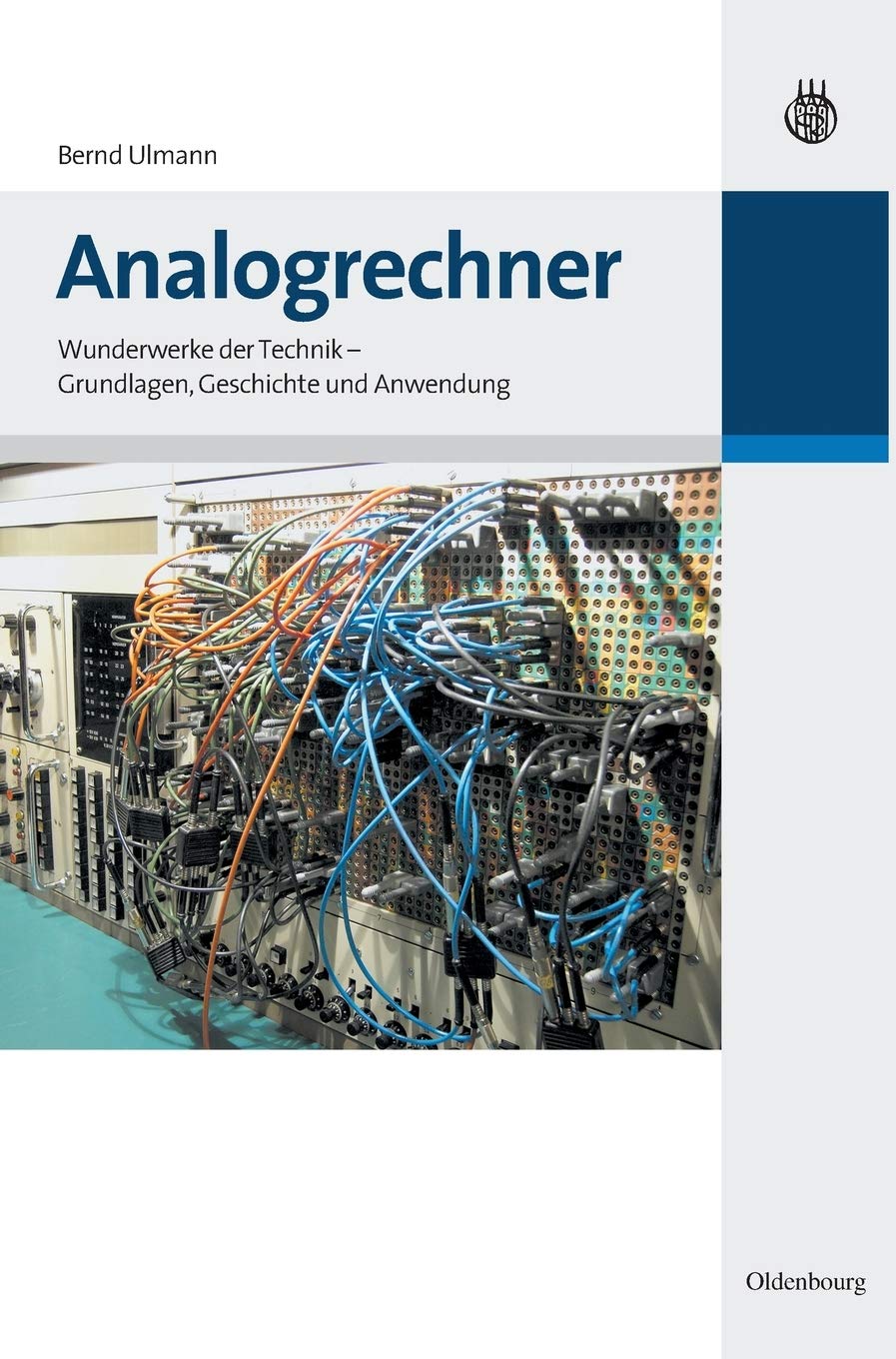
This book is the result of my Ph.D. thesis which I wrote on the topic I am most interested in: Analog computers. I was incredibly lucky to interest the German publishing house "Oldenbourg" in this book. This original German edition will be followed by a new, vastly extended German edition in 2027, so stay tuned for updates. |
|
My fascination with seismometers goes back to a publication in Scientific American in the late 1970s. One of the articles described a Lehman type seismometer, which I could not build as a child but which started a little obsession with the very topic. In the early 2000s I started building various seismometers, geophone amplifiers, a magnetometer, etc. This eventually culminated in my first publication (in German only). It is long since out of print. Unfortunately, I could not reach the publishing house and thus decided to distribute it freely. Click on the cover picture to get the PDF. |
|
Invited book chapters |
|
| Bernd Ulmann, "Mit Lötkolben, Wire-Wrap-Pisole und Assembler, Z80-Selbstbaurechner", in SHIFT RESTORE ESC, Retrocomputing und Computerarchäologie, CSW-Verlag, 2014, pp. 243-259 | |
| |
| Bernd Ulmann, "Das SAGE-Projekt: Computer im Kalten Krieg", in Heiße Drähte - Medien im Kalten Krieg, Stefan Höltgen, Irina Gradinari (Hrsg.), Projektverlag Bochum/Freiburg, 2014, pp. 71-100 | |
| |
| Bernd Ulmann, "Man in the Lopp: Zeitaspekte in analogen Simulationen und Spielen", in Time to Play: Zeit und Computerspiel, Verlag Werner Hülsbusch, 2016, pp. 95-119 | |
| |
| Bernd Ulmann, "Analogrechnerentwicklung bei Telefunken", in Vom Abakus zum Computer - Geschichte der Rechentechnik, Teil 1, Gudrun Wolfschmidt (Hrsg.), Hamburg: tredition 2019, pp. 199-215 | |
| |
| Bernd Ulmann, "Mathematik", in Medientechnisches Wissen, Band 3, ISBN 978-3-11-049624-7 | |
| |
| Mirko Holzer, Bernd Ulmann, "Hybrid computer approach to train a machine learning system", in Handbook of Unconventional Computing, Andrew Adamatzky (ed.), World Scientific Publishers, 2021 | |
| |
| Bernd Ulmann, "Exploring Chaos with Analog Computers", in Unconventional Computing, Arts, Philosophy, World Scientific Publishers | |
| |
| Bernd Ulmann, "Analog Computation after Apocalypsis", in Post-Apocalyptic Computing, WSPC Book Series in Unconventional Computing, Volume 5, 2026 | |
| |
|
Series editor |
|
| I was editor of the book series Softwaretechnik published by DeGruyter/Oldenbourg, which contains the following volumes: | |
| |
|
|