|
Retro computing |
|
|
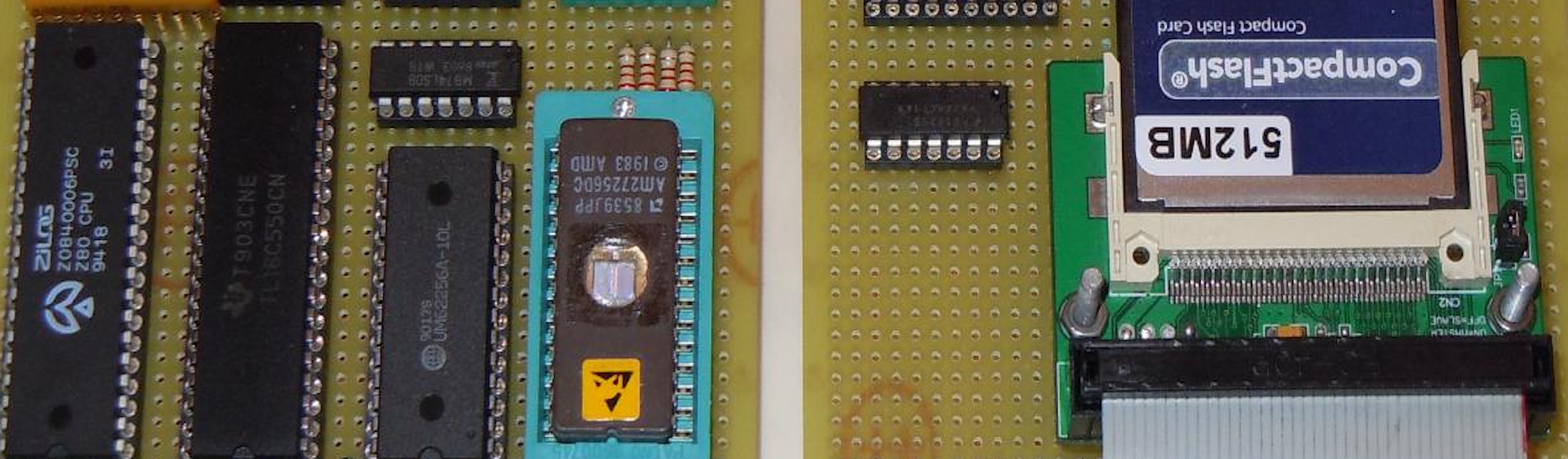
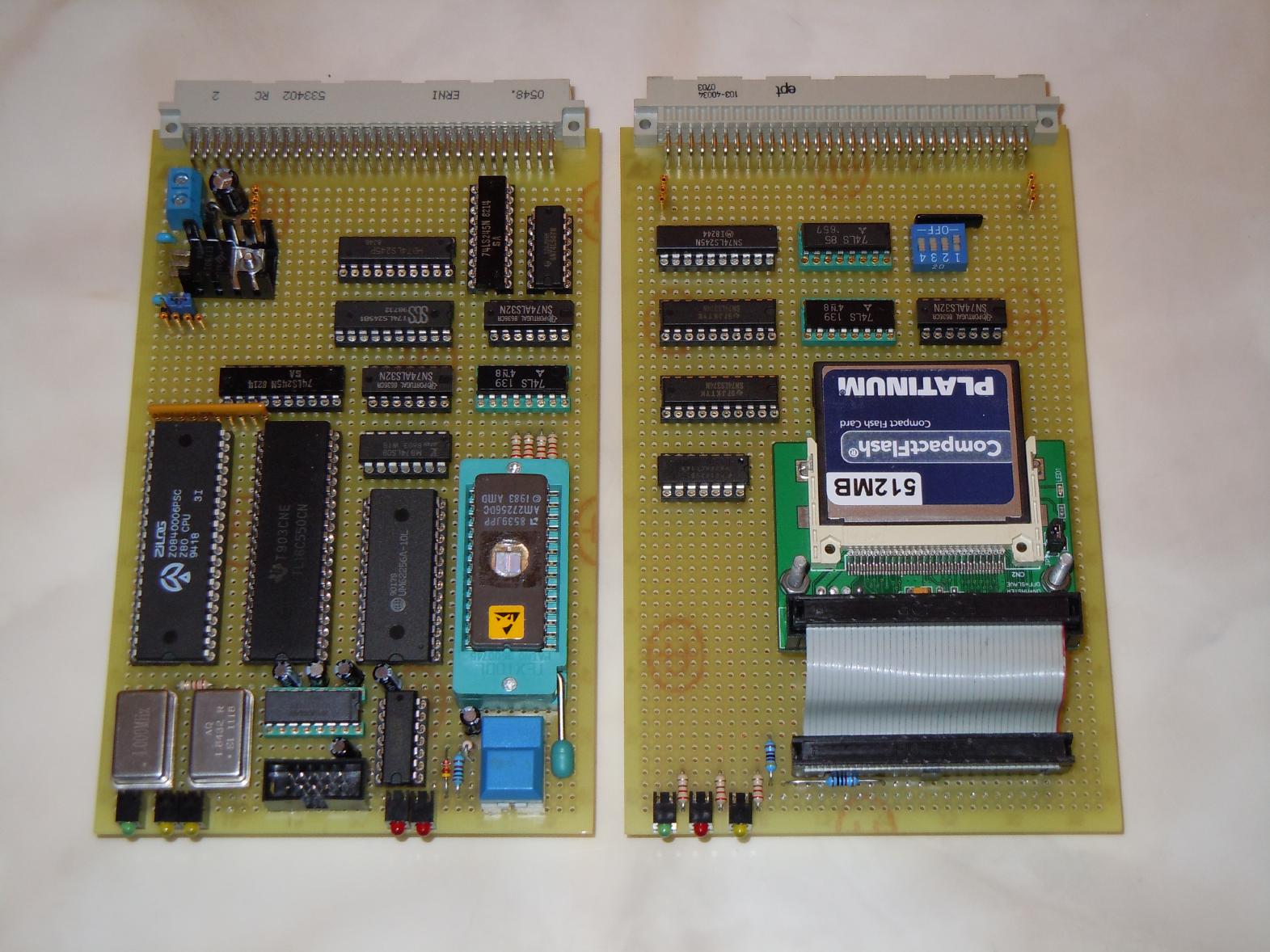
My first computer was a ZX81 which I got as a birthday present in 1981. Since then computers became basically an obsession and the venerable Z80 processor is still one of my favorite CPUs. Clicking on the picture brings you to a page describing the development of a rather simple Z80 based computer with serial line interface, and an IDE controller. |
|
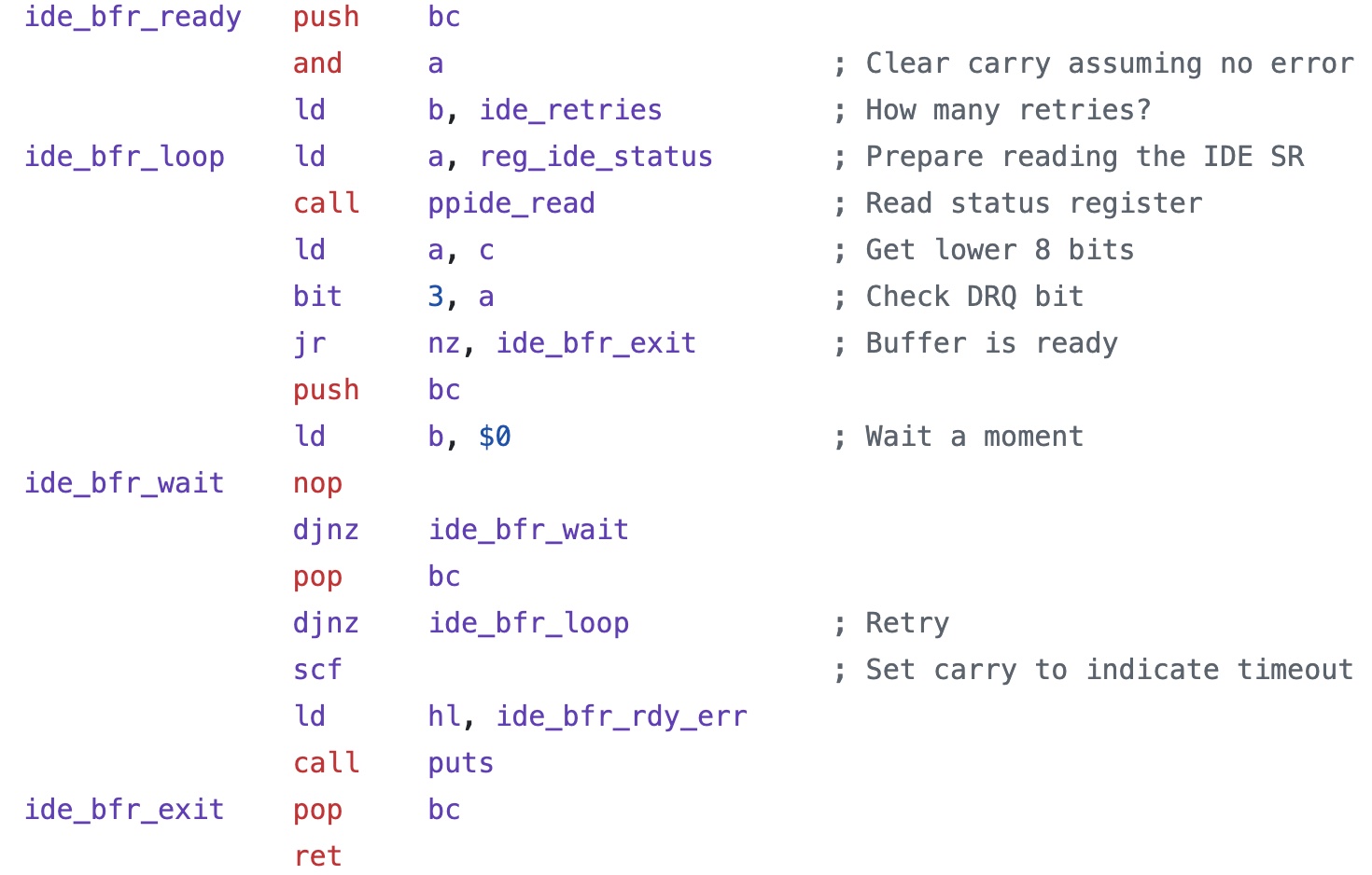
Of course, any computer without at least a tiny operating system is not too useful in the long run. Thus, I wrote a monitor for this (and other) Z80 based systems from 2011 to 2017. I borrowed heavily from other sources, such as Camel Forth, a good Z80 disassembler, even Microsoft Basic. Clicking on the picture will bring you to the github project. |
|
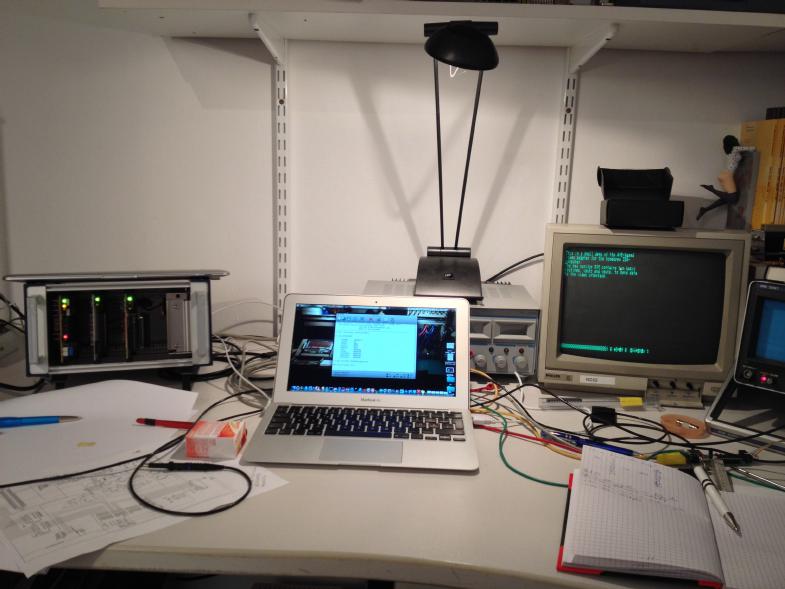
Clicking on the picture on the left will bring you to a page which describes a simple AVR processor based video controller for the small Z80 system. |
|
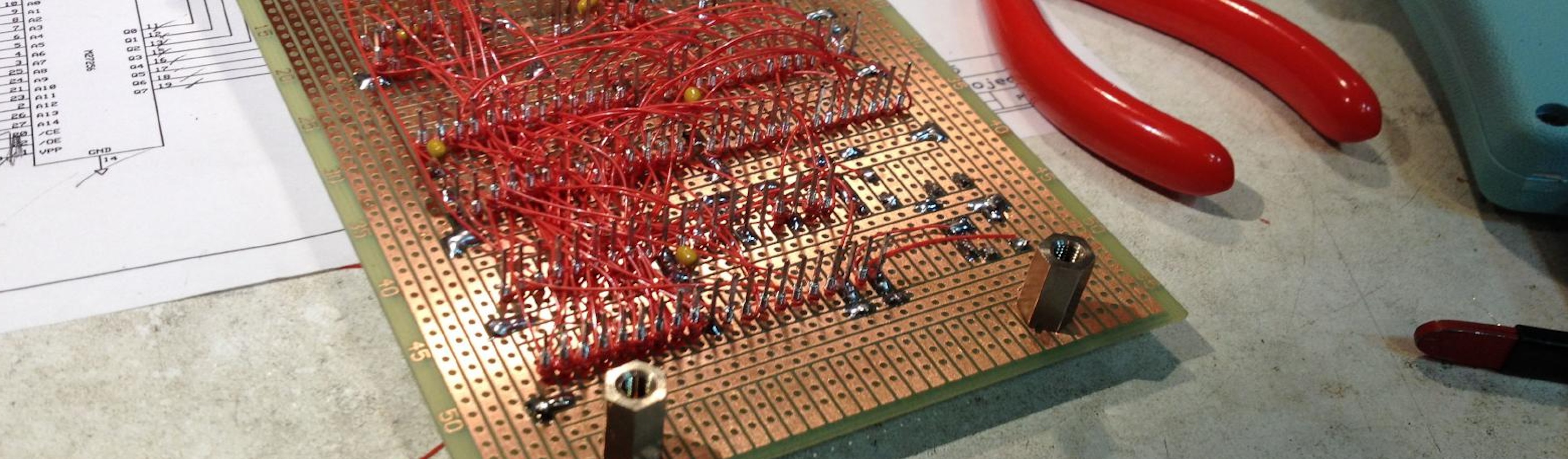
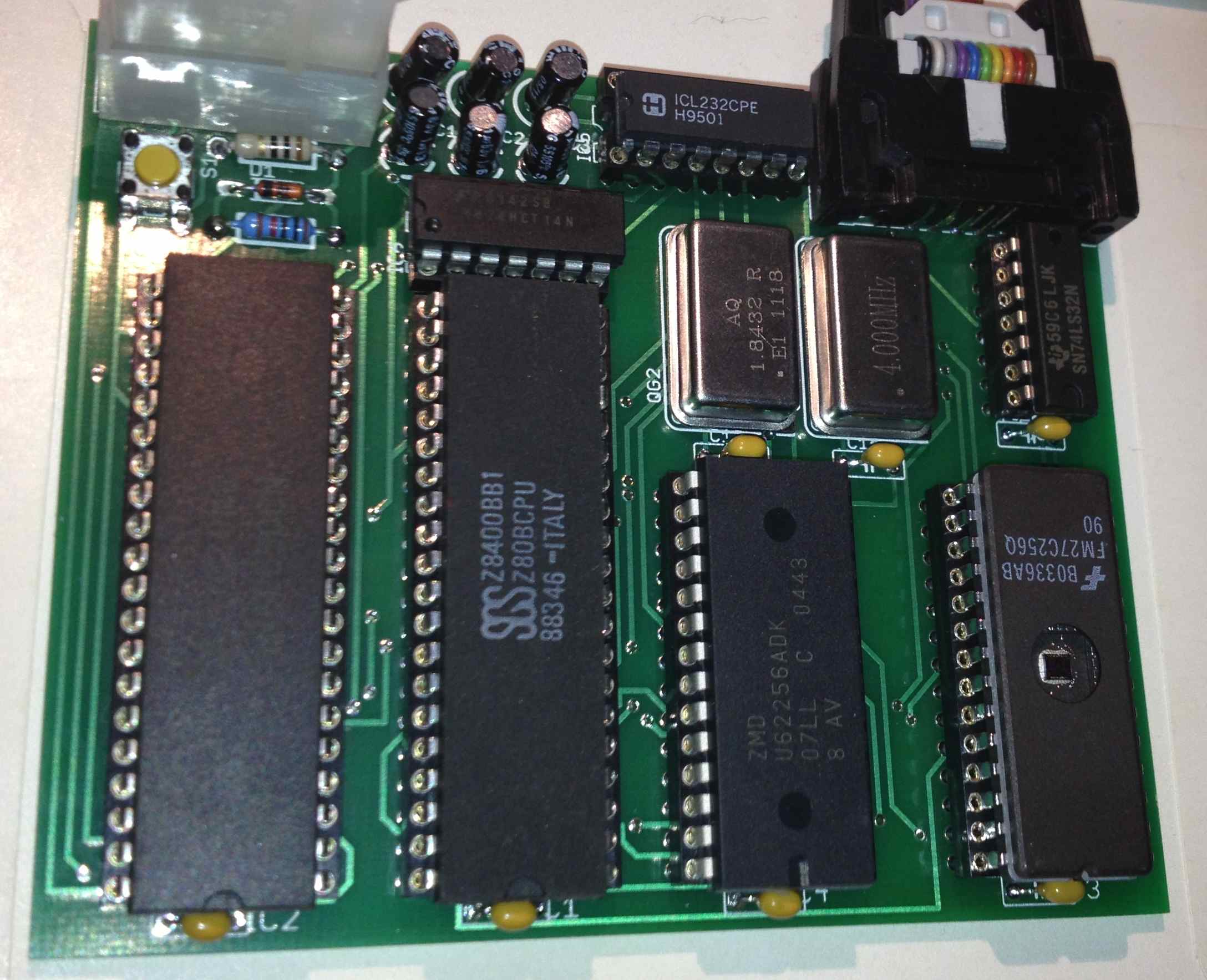
In 2013 I made a really tiny Z80 based computer which was copied by quite some of my students who really liked the opportunity of building a small computer and actually being able to understand it in detail. Clicking on the picture opens the page describing this little project. |
|
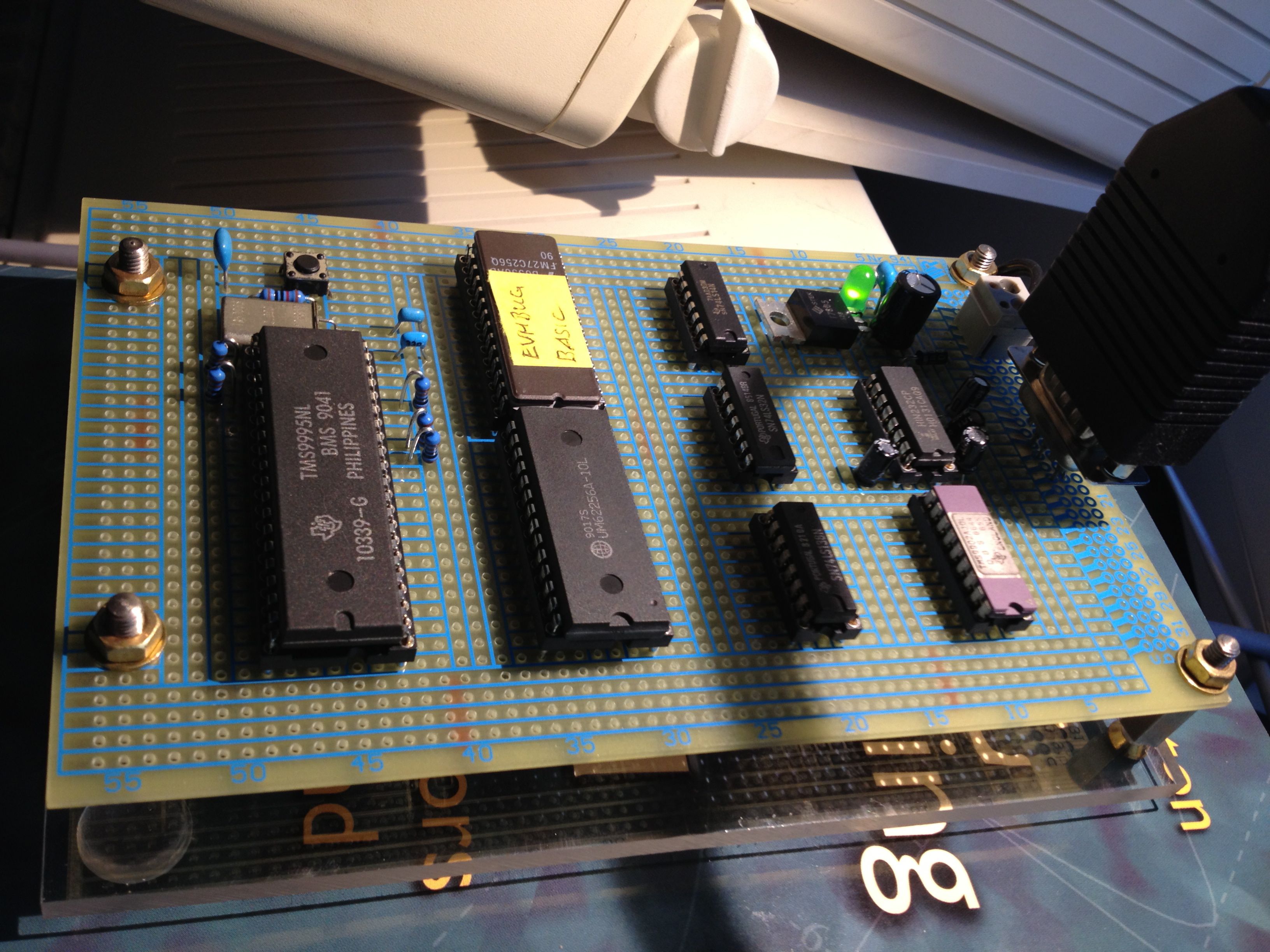
In October 2013 I got a box containing a number of classic processor chips as a present from a friend. Among these ICs were some made by Texas Instruments, including the TMS9995, a scaled down version of the TMS 9900 of which I am especially fond. Clicking on the picture brings you to a page describing a simple homebrew system based on the TMS 9995. |
|
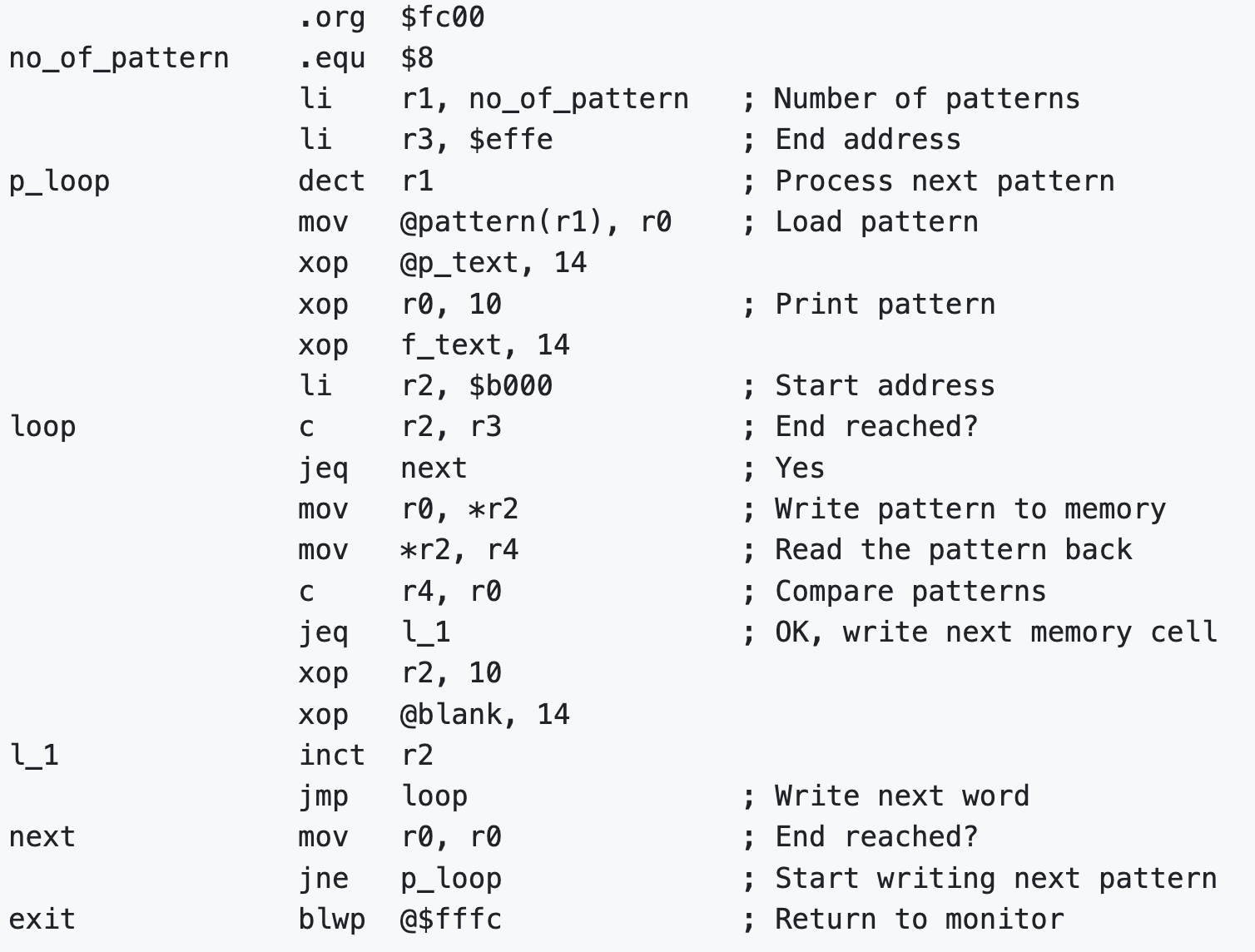
One of the most fascinating early microprocessors is (at least from my point of view) the TMS9900. Unfortunately, there is not much software support nowadays. Thus, I wrote a simple, yet powerful assembler for the TMS9900 in Perl which should run on basically any platform supporting a Perl interpreter. Click on the image to get to the corresponding github page. |
|
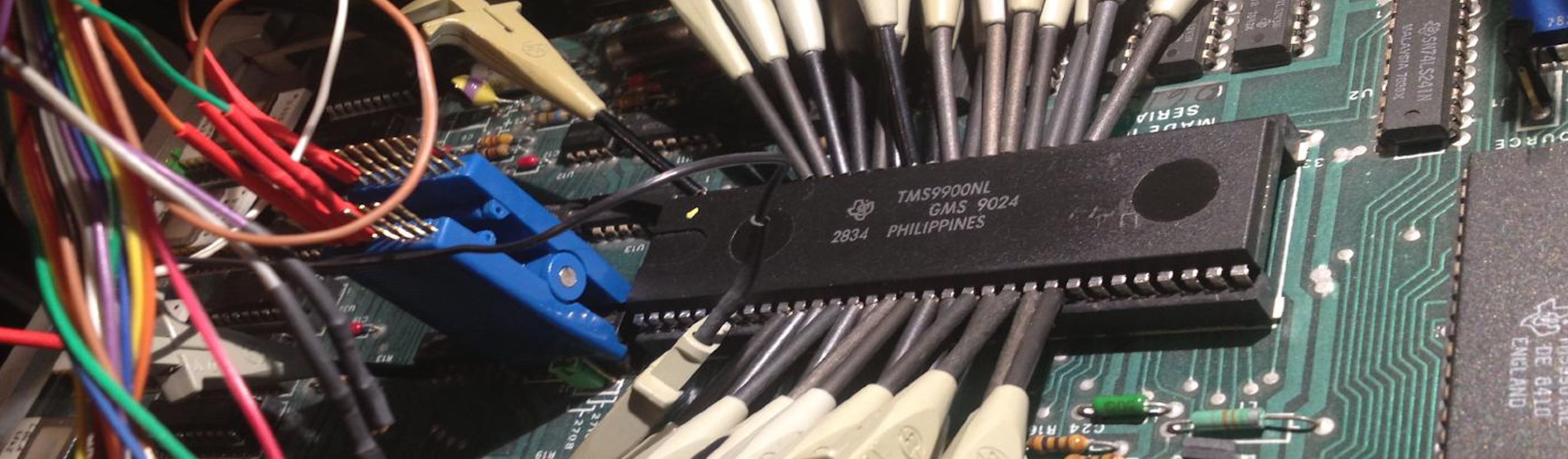
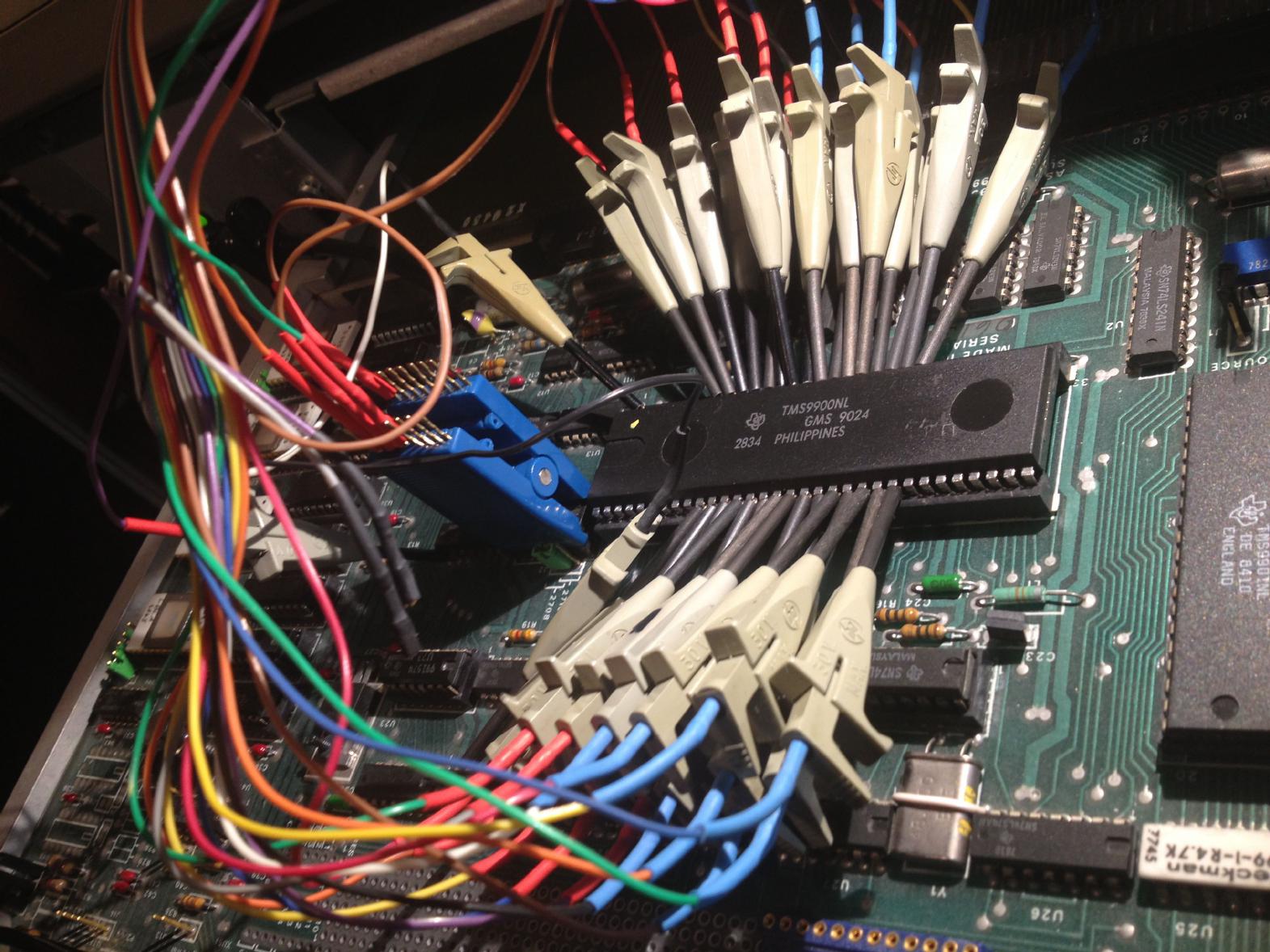
Many years ago a friend of mine donated a box of TI 9900 related boards - enough to build an actual TMS9900 based system. However, this turned out to be quite tricky since one of the address decoding PROMs was defective and I had to reverse engineer its contents and build a suitable replacement. Click on the picture to read the full story of this build/repair/restoration project. |